Learn about Molluscum Contagiosum symptoms, stages & treatments. Discover how this viral skin infection appears on children/adults and its natural healing process (6-9 months).
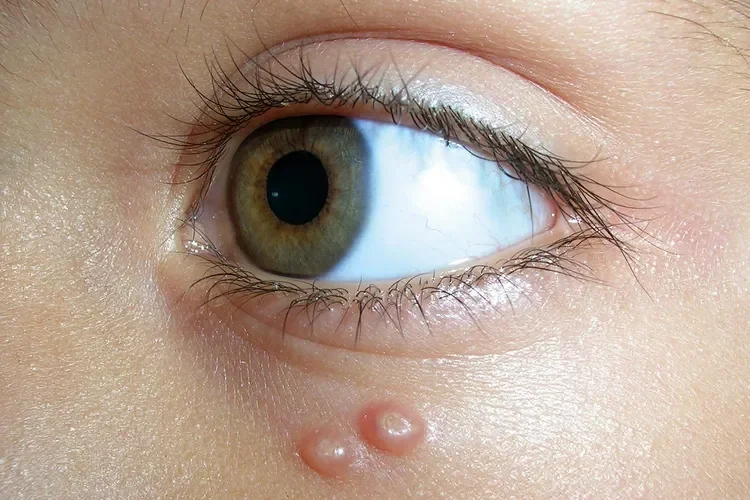
What Is Molluscum Contagiosum?
Molluscum contagiosum is a common viral skin infection. It most often affects children, but adults with weakened immune systems can get it, too.
What Does Moscullum Contagiosum Look Like?
Molluscum contagiosum causes either single or multiple raised, pearl-like bumps (papules) on the skin. Itâs an ongoing infection, so the bumps may last a few months or a few years. But most cases get better in 6 to 9 months.
Molluscum contagiosum may look different on darker skin tones compared to lighter skin tones. The lesions can appear anywhere on your body. (Photo Credit: iStock/Getty Images)
Molluscum Contagiosum Symptoms
Molluscum contagiosum papules commonly appear on the face, torso, and limbs of children and on the genitals, abdomen, and inner thighs of adults.
Molluscum contagiosum bumps
The condition usually causes bumps that:
Molluscum contagiosum stages
The condition has a few different stages. You’ll start to notice bumps on your skin around 2 to 8 weeks after getting the virus that causes the infection. As they grow, the bumps will look dome-shaped and form an indent in the middle. During the final stage of the infection, the bumps will turn red and look like pimples. This means you can expect them to heal soon.
- Are generally painless but can itch
- Are small (2 to 5 millimeters in diameter)
- Have a dimple in the center
- Are firm, dome-shaped, and flesh-colored at first
- Become softer with time
- May turn red and drain over time
- Have a central core of white, waxy material
Molluscum contagiosum and HIV
Molluscum contagiosum usually disappears on its own over a period of months to years if you have a healthy immune system. If you have AIDS or other conditions that affect the immune system, molluscum contagiosum can lead to widespread, chronic sores.
Molluscum contagiosum is a common contageous viral skin infection that most often affects children. It causes either single or multiple raised, pearl-like bumps (papules) on the skin. Itâs a chronic infection, so the bumps may last for a few months or a few years.
Molluscum Contagiosum Causes
The molluscum contagiosum virus causes molluscum contagiosum. Itâs part of the pox virus family. You can spread molluscum contagiosum:
- Through direct contact with an infected person
- By having sexual contact with an infected person
- By rubbing or scratching the bumps
Molluscum Contagiosum Diagnosis
Doctors base a diagnosis of molluscum contagiosum on the way the papule looks. If your doctor isnât sure, they can confirm the diagnosis with a skin biopsy. Theyâll remove a piece of skin to look at more closely. If theyâre worried you might have other health problems, they can check for them, too.
Molluscum Contagiosum Treatment
Because molluscum contagiosum can go away on its own, you may not need treatment. But your doctor can remove individual bumps by scraping or freezing them. This procedure could leave a scar.
Topical medications (medications you put on your skin), like those used to remove warts, can also help remove the papules.
Molluscum Contagiosum Home Remedies
Here are some home remedies that you can use to ease the symptoms of molluscum contagiosum:
Apple cider vinegar. Apply it daily to unbroken bumps with a cotton ball or pad, and cover the cotton with a bandage. Another option is an apple cider vinegar bath. Pour one cup into your bathwater and soak for 10 minutes.
Tea tree oil. This type of oil with added iodine may work well to treat molluscum contagiosum lesions in young children.
Imiquimod cream. This cream helps your immune system clear the bumps. Treatment usually takes about 16 weeks. Doctors don’t suggest the cream for kids since it may not work for them.
Salicylic acid. Commonly used for warts, this may also work for molluscum contagiosum.
Sinecatechins (green tea). Made from green tea, this treatment is FDA-approved for genital and anal warts and may also help treat molluscum contagiosum in those areas.
Tretinoin. You’ll need to apply this cream carefully; your dermatologist can show you how to use it properly. The aim is to irritate the skin’s surface to help your immune system fight the virus.
Due to possible skin irritation, you should only use treatments such as imiquimod, salicylic acid, and tretinoin under the care of a dermatologist. Your dermatologist will advise you on the proper concentration and how often to use them. While home remedies might offer some relief, they should not replace professional medical advice and treatment.
Molluscum Contagiosum Prevention
To avoid molluscum contagiosum, follow these tips:
- Avoid direct skin-to-skin contact with anyone who may have the condition.
- Treat eczema in children.
- Either donât have sex or have a monogamous sexual relationship with someone who isnât infected. (Male and female condoms donât offer full protection. The virus can get to areas the condom doesnât cover.)
Takeaways
Molluscum contagiosum is a common viral skin infection, mostly affecting children, though adults with weak immune systems can get it too. It causes small, raised bumps on the skin, which can appear alone or in clusters. The bumps may last for months or even years but usually clear up in 6 to 9 months. Molluscum contagiosum often clears up without treatment. But, doctors can remove the bumps by scraping or freezing them, though this can leave scars. Topical treatments, like those used for warts, can also help.
Molluscum Contagiosum FAQ
Is molluscum contagiosum an STD?
If you get the virus through sexual contact, doctors consider it a sexually transmitted infection (STI). Bumps will form on the genitals and sometimes inside of the mouth.