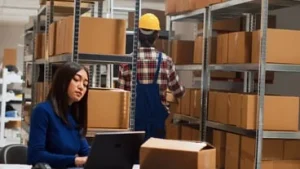
Explore how forklift warehouses boost logistics efficiency, safety, and productivity. Learn best practices, operational insights, and trends to optimize warehouse management.
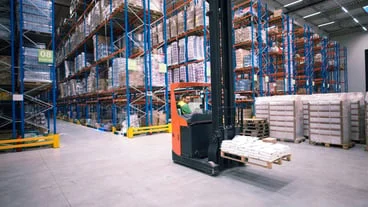
In today’s fast-paced world, warehouses are vital to supply chain management. Among the various equipment used to streamline operations, forklifts stand out for their role in efficiently moving goods. This article explores essential aspects of forklift warehouses, from their significance and operational challenges to best practices for safety and efficiency. We will also delve into the latest trends shaping the industry and provide insights on optimizing warehouse productivity.
The Importance of Forklift Warehouses
Forklift warehouses are crucial hubs in logistics, primarily serving as storage and distribution centers. They accommodate various products, from raw materials to finished goods, making them essential for businesses across various sectors. The use of forklifts within these warehouses enhances operational efficiency by enabling quick handling and transportation of materials. For example, in large retail chains, forklift warehouses maintain a steady flow of inventory, ensuring that products are readily available for distribution to stores. By integrating strategic layout designs with effective inventory management systems, companies can significantly reduce the time needed to access and transport goods, ultimately driving customer satisfaction. Moreover, forklift warehouses can adapt to fluctuating market demands. Whether it’s scaling up for holiday seasons or accommodating unexpected surges in product returns, flexibility in warehouse operations can greatly affect a company’s bottom line.
Operational Challenges in Forklift Warehouses
While forklift warehouses contribute significantly to efficiency, they face several operational challenges. One major concern is the maintenance of the forklifts themselves. These machines are heavy-duty and require regular check-ups to ensure they are operating safely and effectively. A well-maintained forklift not only extends the life of the equipment but also reduces safety risks, which are paramount in a bustling warehouse environment. In addition to equipment maintenance, staff training is essential. Ensuring that employees are adequately trained to operate forklifts and adhere to safety protocols can minimize accidents. According to the Occupational Safety and Health Administration (OSHA), forklift accidents account for approximately 20,000 injuries annually. Properly trained staff can dramatically decrease this number. Another challenge is optimizing space. Forklift warehouses often operate in environments constrained by square footage. Implementing smart layout designs and maximizing vertical space through racking systems can aid in overcoming this challenge.
Enhancing Safety in Forklift Warehouses
Safety in forklift warehouses is a multifaceted issue that requires continuous attention. Implementing safety measures not only protects employees but also minimizes liability for companies. Key safety practices include conducting regular maintenance checks and encouraging a culture of safety. Employees should be reminded of best practices, such as always wearing personal protective equipment (PPE) and ensuring that aisles are kept clear. Forklift operators must be certified according to OSHA guidelines, which stipulate that employees must complete training focused on the various types of forklifts they will operate. This certification should cover potential hazards and specific handling techniques for different loads. Moreover, clean and well-lit workspaces contribute to safety. Reducing clutter, maintaining clear sightlines, and utilizing safety barriers will aid in preventing accidents and improving overall efficiency. Regular safety audits can also identify potential risks and areas for improvement.
Latest Trends in Forklift Warehouse Operations
Innovation in technology continues to transform forklift warehouse operations. One prominent trend is the adoption of automation, with automated guided vehicles (AGVs) increasingly being integrated into warehouse setups. These vehicles can operate without human intervention, helping to mitigate labor shortages and increasing productivity. Data analytics is another trend reshaping the industry. Companies now leverage big data for inventory management, optimizing the supply chain, and improving decision-making processes. By analyzing data on peak operating times, staff performance, and equipment usage, managers can enhance efficiency and reduce costs. Additionally, the rise of e-commerce has forced many forklift warehouses to adopt flexible operational practices. For example, warehouses designed for rapid fulfillment often employ smaller forklifts and dynamic shelving systems. The ability to adapt to the unique demands of e-commerce has become a significant focus for many companies in the industry.
Best Practices for Managing Forklift Warehouses
To ensure optimal performance in forklift warehouses, several best practices should be implemented. First, investing in employee training is invaluable. Regular training sessions to keep staff updated on safety protocols, equipment handling, and new technologies can lead to reduced accidents and improved performance. Second, implementing an inventory management system can streamline operations. Such a system aids in tracking stock levels and managing reorder points, which in turn reduces the time spent locating items. Automatic alerts when stock levels dip below a certain threshold can help manage inventory effectively. Lastly, conducting routine assessments of warehouse operations can identify inefficiencies. Regular evaluation of workflows, along with adopting a continuous improvement mindset, allows warehouses to adapt and thrive amidst ever-changing market demands.
Forklift warehouses are at the heart of logistics, providing essential support to diverse industries. By focusing on efficiency, safety, and adopting current trends, businesses can enhance their warehouse operations. Challenges exist, but with proper strategies and best practices, companies can navigate them successfully. As technology continues to evolve, staying ahead of innovation will be crucial in maximizing productivity and maintaining a competitive edge.