Discover non-invasive laser skin tightening treatments that boost collagen, reduce wrinkles, and revive youthful skin. Learn how it works, benefits, types, and recovery.

As we age, our skin naturally loses elasticity, leading to sagging and wrinkles. Many individuals seek solutions to regain youthful skin without invasive surgery. Laser treatments have gained popularity as a non-invasive option for tightening skin. In this article, we will explore how laser treatment works, its benefits, different types available, what one can expect during the procedure, recovery time, and who should consider this treatment. Our goal is to provide you with comprehensive insights to help you make informed decisions about skin tightening options.
How laser treatment works
Laser treatments utilize focused light energy to penetrate the skin’s layers. This energy stimulates collagen production, the protein responsible for skin’s strength and elasticity. By promoting collagen renewal, laser treatments help to tighten and rejuvenate the skin.
Several types of lasers are used for tightening skin, including ablative and non-ablative lasers. Ablative lasers, such as CO2 lasers, remove the outer layer of skin, while non-ablative lasers, like fractional lasers, target the deeper layers without damaging the surface. Both types promote healing and stimulate collagen, resulting in firmer skin.
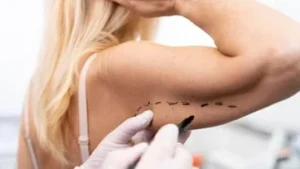
The procedure is typically performed in a clinic and can take anywhere from 30 minutes to two hours depending on the treatment area. Patients often experience minimal discomfort due to the numbing creams applied before treatment. Overall, the science is simple yet effective: The laser smooths and tightens the skin, bringing forth a fresher appearance.
Benefits of laser treatment
One of the most significant advantages of laser skin tightening is its non-invasive nature. Unlike traditional surgical facelifts, lasers do not require anesthesia or extensive downtime. Most patients can resume regular activities quickly after treatment, making it a convenient choice for busy individuals.
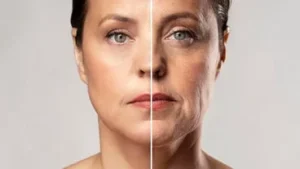
Another notable benefit is the gradual improvement in skin appearance. Patients will often notice tighter skin over weeks as collagen continues to regenerate. This contrasts with other treatments, which may show instant results but often don’t last as long.
Lastly, laser treatments are versatile and can be customized to suit different skin types and concerns. Whether you’re tackling wrinkles, sagging jowls, or sun damage, there’s likely a laser option to meet your needs. It’s advisable to consult a dermatologist to determine the most effective treatment for your specific condition.
What to expect during the procedure
Before the procedure, a practitioner will evaluate your skin and discuss your goals to create a personalized treatment plan. Many clinics offer a consultation where they will explain what to expect, answer your questions, and address any concerns about the process.
During the session, expect a pre-treatment preparation that may include cleansing the skin and applying a topical numbing cream to minimize discomfort. Some patients describe the sensation as a slight warming or tingling feeling, rather than pain. The actual procedure may last from 30 minutes to two hours, depending on the area being treated and the technology used.
After the procedure, you might experience mild redness or swelling similar to a sunburn, but these symptoms typically subside within a few hours. Your provider will give you aftercare instructions to ensure optimal healing, which usually involves avoiding sun exposure and applying specific skincare products.
Recovery and aftercare
One of the appealing aspects of laser treatments is the minimal recovery time. Patients can usually resume most of their daily activities shortly after the procedure. However, it is essential to follow the aftercare guidelines provided by your practitioner for the best results.
During the first few days post-treatment, your skin could feel sensitive or slightly swollen. Applying cold compresses may help alleviate discomfort. Additionally, keeping your skin moisturized and protected from the sun is crucial. UV exposure can hinder healing and diminish results, so consider wearing a broad-spectrum sunscreen to safeguard your skin.
For optimal results, multiple sessions may be recommended. Your dermatologist will design a treatment plan based on your skin’s response and desired outcome. Remember, laser treatments are not a one-size-fits-all solution, and ongoing consultations will help to monitor progress and adjust the treatment plan if necessary.
Who should consider laser treatment?
Laser skin tightening is generally suitable for a wide range of individuals looking for a non-surgical option to improve skin laxity. However, it is essential to have realistic expectations. The best candidates are those with mild to moderate skin laxity. Individuals with more severe sagging may benefit more from surgical options like facelifts.
It’s also important to consider your skin type, as certain lasers may be more effective on specific skin tones. Consulting with a qualified dermatologist can help determine if you are a good candidate and which type of laser is best for your needs.
Additionally, individuals with certain skin conditions or those who are pregnant may need to consult their healthcare provider before proceeding with laser treatment. It’s crucial to have an open discussion with your provider about your medical history to evaluate possible risks.
Laser treatment for tightening skin offers a promising solution for individuals aiming to enhance their appearance without undergoing surgery. The procedure works by stimulating collagen production, resulting in firmer and more youthful skin over time. With various types of lasers available, patients can benefit from customized treatments based on their unique needs. While recovery is usually quick, following an aftercare regimen is vital for achieving the desired results. Those considering this option should consult a dermatologist to understand the procedure, benefits, and any risks. Armed with this knowledge, you can make an empowered decision about your skin rejuvenation journey.