Discover essential distribution warehouse equipment types like forklifts, conveyor systems & ASRS. Boost efficiency, safety & cost savings with this complete logistics guide.
In the modern logistics landscape, distribution warehouses play a vital role in ensuring that products move smoothly from suppliers to customers. This involves not just the management of inventory but also the utilization of specialized equipment that enhances efficiency and safety. In this article, we will explore various types of distribution warehouse equipment, their importance, and how these tools work together to streamline operations. We will also discuss key features to consider when selecting equipment and emerging trends that are shaping the future of warehousing.
The core types of distribution warehouse equipment
Distribution warehouses rely on various types of equipment to function effectively. The most vital among them include fork lifts, pallet jacks, shelving units, conveyor systems, and automated storage systems.
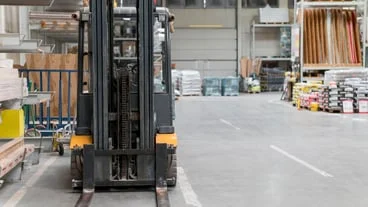
Forklifts are perhaps the most recognizable equipment in any warehouse. They come in various styles, including electric and gas-powered units, and are used to lift and transport heavy pallets and goods. Pallet jacks, on the other hand, are typically manual and allow workers to move stacked pallets without the need for power.
Shelving units provide the necessary organization within the warehouse, allowing workers to easily access products. These shelves can be adjusted based on the type of goods being stored, making flexibility an essential feature. Conveyor systems automate the movement of goods, reducing the time and labor needed to load and unload shipments. Finally, automated storage and retrieval systems (ASRS) are revolutionizing warehouses by enhancing precision and speed, reducing manual labor and improving inventory accuracy.
Importance of selecting the right equipment
Choosing the right distribution warehouse equipment is critical for businesses aiming to optimize their operations. The right equipment can significantly impact efficiency, safety, and overall productivity.
When selecting equipment, it is essential to consider the types of goods being handled. For example, fragile items may require specialized handling equipment to prevent damage. Additionally, the layout of the warehouse and the flow of goods play an important role. Equipment that can accommodate tight spaces or complex layouts can save valuable time and resources.
Safety is another critical factor. Poorly selected equipment can lead to workplace accidents, which not only put employees at risk but can also result in costly downtime. Regular assessments of equipment performance and condition help ensure that tools remain functional and safe.
Enhancing warehouse efficiency with technology
Technology is increasingly influencing distribution warehousing, pushing the evolution of equipment beyond traditional tools. Warehouse Management Systems (WMS) can provide insights into how equipment is used and which processes can be streamlined. These systems integrate with existing equipment to provide real-time data on inventory levels, order statuses, and equipment performance.
Robotics is another innovative advancement. Automated guided vehicles (AGVs) can transport goods within warehouses, reducing staffing needs and improving efficiency. Moreover, drones are starting to play a role in inventory checks, enabling quicker audits and real-time data collection without physical interference.
The integration of smart technology, such as IoT devices, enhances equipment monitoring and predictive maintenance. This means that potential issues can be detected before they escalate, allowing for timely repairs, thus ensuring continuous operation.
Trends shaping the future of warehouse equipment
Several trends are currently shaping the landscape of distribution warehouse equipment. Automation is undoubtedly at the forefront. As companies seek to reduce labor costs and improve speed, the demand for robotics and automated systems is becoming more pronounced. Experts predict that the market for warehouse automation will see exponential growth in the coming years.
Sustainability is another critical trend influencing equipment choice. Warehouse operators are prioritizing energy-efficient tools, such as electric forklifts and conveyor systems that minimize energy consumption. Furthermore, recycling and sustainable materials in equipment manufacturing are becoming popular as companies strive to reduce their environmental footprint.
Flexibility in warehouse operations is essential as e-commerce continues to grow. Equipment that can quickly adapt to changing inventory needs or seasonal fluctuations will give companies a competitive edge. These adaptable solutions can include modular racking systems and mobile equipment that can be reconfigured based on specific requirements.
Practical tips for warehouse managers
Warehouse managers face numerous challenges, from staffing to equipment choice. Here are some practical tips to ensure optimal operations. First, prioritize training for your team on how to use the equipment safely and effectively. Ongoing training not only improves employee confidence but also maximizes equipment performance.
Second, regularly evaluate your equipment needs. As inventory changes and technology evolves, your equipment should adapt accordingly. Conduct audits on technology and physical tools to ensure they meet current demands. Investing in the latest equipment may offer long-term savings.
Lastly, build a culture of safety. Ensure that all employees understand the importance of safety protocols and encourage open lines of communication about potential hazards or suggestions for improvements. This proactive approach significantly minimizes risks and promotes a healthy work environment.
Distribution warehouse equipment plays a crucial role in modern logistics and inventory management. From forklifts to automated systems, the right equipment can enhance efficiency, safety, and productivity. As technology evolves and new trends emerge, staying informed about advancements and tools is essential for maintaining a competitive edge in the market. Warehouse managers must also focus on training, equipment evaluation, and safety to ensure streamlined operations. By understanding and applying these principles, companies can optimize their distribution warehouses for ongoing success.