Learn how hair transplants work, compare FUE vs FUT methods, understand benefits & risks, recovery time, and cost considerations for effective hair restoration solutions.
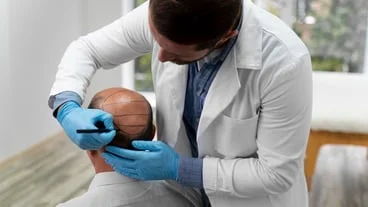
For many, hair loss is a prominent concern. Aesthetic preferences drive individuals to seek solutions, and hair transplants have become increasingly popular. This article explores the internal and external factors surrounding hair transplants, offering insights on how the procedure works, its benefits, drawbacks, recovery process, and financial considerations. Whether you are contemplating the procedure or simply gathering information, this guide will enhance your understanding.
What is a hair transplant?
A hair transplant is a surgical procedure that moves hair follicles from one part of the body to another. Typically, these hair follicles are taken from areas resistant to balding, known as the donor site, and transplanted to areas affected by hair loss, referred to as the recipient site.
There are two primary methods for hair transplantation: Follicular Unit Extraction (FUE) and Follicular Unit Transplantation (FUT). In FUE, individual hair follicles are extracted directly from the scalp and then implanted into the thinning areas. This method leaves minimal scarring and requires less recovery time.
FUT, on the other hand, involves removing a strip of skin from the donor area, from which hair follicles are then harvested. While this method may leave a linear scar, it can often yield a higher number of grafts in one session, which is beneficial for extensive hair loss. Both techniques offer varying results, and candidates should discuss their options with a qualified specialist.
The benefits of hair transplants
One significant advantage of hair transplants is their permanence. Unlike topical treatments or hairpieces, transplanted hair is real and grows naturally, allowing for a more seamless aesthetic. This permanence enhances personal confidence and can positively affect one’s lifestyle.
Moreover, modern hair transplant techniques, especially FUE, have led to less downtime and fewer visible scars. This means individuals can return to activities quickly, with many resuming daily routines within a week. Additionally, advancements in techniques have improved the natural appearance of the results. Many individuals blend back into their environments with hair that appears authentic and healthy.
Furthermore, hair transplants can be customized to meet individual needs. Surgeons can adjust the density, direction, and follicle arrangement to mimic natural hair growth, resulting in a personalized outcome. With extensive experience and knowledge, skilled practitioners can ensure that the results meet patients’ aesthetic expectations.
Potential risks and drawbacks
Despite the benefits, a hair transplant is not without risks. Common complications include infections, scarring, and unnatural-looking hair growth. In some cases, patients may experience shock loss, where existing hair thins due to trauma from the procedure. This can be temporary, but it can be distressing for some individuals.
Additionally, hair transplants can be costly. The price can range significantly based on the technique, the number of grafts, and the clinic’s location. For those considering the procedure, it’s essential to assess the financial commitment alongside other forms of hair restoration, as some may find non-surgical alternatives more suitable.
It’s also worth noting that not everyone is a good candidate for a transplant. Factors such as age, extent of hair loss, and underlying health issues can influence eligibility. Therefore, thorough consultations with a qualified medical professional are crucial in determining whether a hair transplant is the right option.
The recovery process
Recovery after a hair transplant is generally straightforward. Most patients can expect some swelling and tenderness in the treated areas, which usually subsides within a week. While people may return to work within a few days, it’s advisable to avoid strenuous activities for at least a week to promote healing.
Post-procedure care includes following specific instructions from the surgeon. Patients are often advised to keep the scalp clean, avoid sun exposure, and refrain from touching or scratching the transplanted areas for a few weeks. This is vital for successful hair growth and to prevent complications.
Around three to four months after the procedure, patients may notice new hair growth. However, it can take up to a year for the full results to appear as the hair matures and thickens. Throughout this period, patience is key, as many factors can influence hair growth and overall results.
Cost considerations and financing options
The financial aspect of hair transplants can be daunting, with costs ranging from several thousand dollars to upwards of $15,000. Factors influencing this price include the method used (FUE or FUT), the number of grafts required, and the clinic’s reputation. It’s essential to perform due diligence before making any decisions.
Many clinics offer financing options, allowing patients to break down payments into manageable monthly installments. This flexibility can make a hair transplant more accessible for individuals who are concerned about the upfront cost. Understanding all associated costs, including consultations, follow-ups, and any necessary additional treatments, is essential for potential candidates.
Insurance typically does not cover hair transplants as they are classified as cosmetic procedures. Therefore, prospective patients must evaluate their finances carefully and consider whether this investment aligns with their long-term goals. It’s advisable to have candid discussions with financial advisors or clinic representatives to explore all available options.
Hair transplants have emerged as a favored solution for those experiencing hair loss. By understanding the procedure, its benefits, and possible drawbacks, prospective patients are better equipped to make informed decisions. Whether considering surgical options, exploring recovery expectations, or assessing financial implications, knowledge is key in navigating this personal journey. As more people seek hair restoration, continuing to educate oneself on the latest techniques and available options can lead to a positive outcome.