Learn about laser dark circle removal: how it works, benefits, risks, and recovery. Discover if this procedure can brighten your under-eye area effectively.
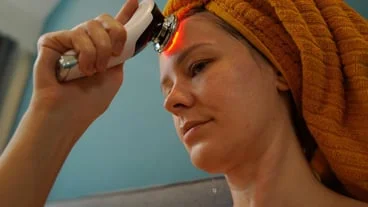
Dark circles under the eyes can be a source of concern for many, affecting how people feel about their appearance. They can be caused by a variety of factors, including genetics, lack of sleep, and aging. This article is designed to provide a comprehensive understanding of laser dark circle removal: what it is, how it works, the benefits, potential risks, and recovery processes. We will also discuss alternative treatments to help you make an informed decision. By the end, you’ll have a solid grasp of what to expect from this procedure and whether it may be right for you.
Understanding dark circles and their causes
Dark circles occur due to various reasons. They can be the result of thin skin under the eyes, which makes blood vessels more visible. Factors like genetics often play a significant role; if your family members have had dark circles, you might find yourself with them too. Age is another important factor. As we grow older, our skin loses elasticity and fat, making dark circles more prominent.
Lack of sleep is a common culprit as well. Insufficient rest can cause the skin to appear pale, contrasting the dark blood vessels beneath. Other contributors include allergies and dehydration, which can exacerbate puffiness and darkness in the under-eye area. Therefore, understanding the underlying cause can guide effective treatment options.
What is laser dark circle removal?
Laser dark circle removal is a cosmetic procedure designed to rejuvenate the under-eye area. It uses focused beams of light to target pigmented tissue, which can reduce the appearance of dark circles. There are several types of lasers used in these treatments, including fractional lasers that promote collagen production and improve skin texture over time.
The procedure typically lasts from 30 minutes to an hour, depending on the treatment plan. Preliminary assessments are crucial to determine the type of laser suitable for your specific condition. In most cases, patients report minimal discomfort, often describing it as a slight warm sensation. Unlike more invasive procedures, laser treatments have a quicker recovery time, making them an appealing option for busy individuals.
Benefits of laser dark circle removal
One of the standout benefits of laser dark circle removal is its effectiveness. Many patients see significant improvement after just one session. The procedure can stimulate collagen production, leading to firmer and healthier skin in the treated area. Moreover, results can be long-lasting, especially when combined with a proper skincare routine.
Another advantage is the low risk of complications compared to surgical options. For many, the prospect of enduring less downtime and minimal pain makes Laser treatment a more attractive alternative. Patients also appreciate the precision of the laser, as it targets only the affected area without damaging surrounding skin. Additionally, this treatment can improve the overall texture of the skin, giving it a more youthful appearance.
Potential risks and considerations
Despite its benefits, laser dark circle removal is not without risks. Common side effects include redness, swelling, and irritation, which usually subside within a few days. In some cases, patients may experience discoloration of the skin or, in rare instances, infections. It’s crucial to consult with a qualified practitioner who can assess your eligibility for the procedure and discuss any potential risks beforehand.
Furthermore, the cost of treatment can vary substantially, typically ranging from $500 to $2,500 per session. Because most insurance plans do not cover cosmetic procedures, patients should budget accordingly. It’s also worth considering maintenance sessions: while some individuals see lasting effects, others may require periodic treatments to sustain their results.
Alternative treatments for dark circles
For those who may be hesitant about laser treatments, there are other options available. Topical creams containing ingredients like retinol, vitamin C, and hyaluronic acid can help brighten the under-eye area. These products improve skin texture and reduce pigmentation over time, although results are more gradual compared to laser treatments.
Injectables like dermal fillers can also be applied to address both dark circles and volume loss under the eyes. Fillers add immediate volume, which can diminish shadows caused by deeper-set eyes. However, like laser treatments, injectables have their own risks and may not be suitable for everyone. Lifestyle changes, such as better sleep hygiene, hydration, and a proper skincare routine, can also help mitigate the appearance of dark circles.
Summary of key points
Laser dark circle removal offers a targeted solution for those seeking relief from under-eye circles. Understanding the causes of dark circles, the procedure’s benefits, and its associated risks are crucial in making an informed decision. While lasers provide an effective treatment, various alternatives also exist, including topical treatments and injectables. Ultimately, a personalized approach, in consultation with a qualified professional, can yield the best results for achieving a fresher, more youthful appearance.