Discover how phone locator GPS technology helps track lost phones, enhance safety, and share locations. Learn its benefits, applications, and practical usage tips in this guide.
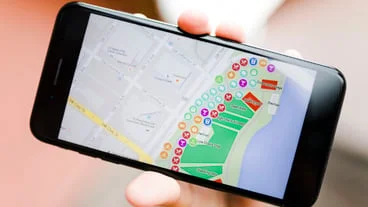
In today’s fast-paced world, losing your smartphone can invoke panic. With the data, contacts, and applications we store on our phones, it becomes a source of worry if it goes missing. This is where phone locator GPS technology steps in to save the day. This article delves into how GPS technology is applied to phone location services, its advantages, how it is used in various applications, potential concerns, and practical ways to utilize this technology to your advantage.
What is phone locator GPS?
GPS, or Global Positioning System, is a satellite-based navigation system that helps determine precise geographic locations on Earth. When applied to mobile devices, phone locator GPS utilizes signals from satellites to ascertain the phone’s location, providing users the ability to track devices accurately.
This system operates through a network of at least 24 satellites orbiting the Earth, each sending signals to GPS receivers on various devices, including smartphones. By analyzing these signals, the device can triangulate its position within a few meters. This technology allows parents to track their children, assist in recovering lost or stolen devices, and facilitate location sharing among friends and family.
How does phone locator GPS work?
Phone locator GPS operates by sending signals between satellites and the receiver in a smartphone. When you ask for the location of your device, the GPS chip in the phone picks up satellite signals. The chip then processes the information to determine its exact latitude and longitude.
Most smartphones utilize a combination of GPS and other location services. For instance, Wi-Fi triangulation and cellular tower signals enhance location accuracy, particularly in urban locations where tall buildings might obstruct satellite signals. This multi-faceted approach makes GPS reliable, delivering accurate results even when GPS signals alone might falter. While GPS works best outdoors, assistance from Wi-Fi can refine location tracking indoors, where satellite signals may be weak.
Applications of phone locator GPS
The applications of phone locator GPS range from personal safety to commercial use. Here are some notable applications:
Benefits of using phone locator GPS
The benefits of phone locator GPS are significant. First and foremost, it offers peace of mind. Knowing you can track a lost or stolen phone reduces anxiety, especially for parents monitoring children’s whereabouts. Additionally, these services add an extra layer of security; if your phone is stolen, it can often be recovered quickly with GPS tracking.
Furthermore, the integration of GPS has transformed various industries. For instance, logistics companies have enhanced delivery efficiency with real-time tracking. Likewise, emergency services utilize GPS to reach individuals in distress accurately. As this technology evolves, its applications and benefits continue to multiply, fostering better personal and communal safety.
Potential concerns and ethical questions
While phone locator GPS offers numerous advantages, certain concerns warrant discussion. Privacy risks are the most pressing. Since this technology allows real-time tracking of individuals, misuse can lead to unwanted surveillance or breaches of personal space. It puts a spotlight on ethical considerations: who has the right to track someone, and under what circumstances?
Another concern revolves around false security. Relying solely on GPS tracking can lead to complacency. If users think they can always locate their devices, they may neglect preventive measures like securing phones with passwords or storing sensitive information safely.
Awareness and education on privacy rights are necessary as GPS technology advances. Users should ensure they understand app permissions and take charge of their information. Opting out of sharing location services when not needed can help manage privacy effectively.
Tips for utilizing phone locator GPS effectively
To make the most out of phone locator GPS technology, consider the following tips:
In summarizing the insights shared, phone locator GPS is a powerful tool that provides valuable benefits like enhancing personal security, improving safety for families, and aiding in recovery of lost devices. As technology evolves, awareness of its applications, benefits, and ethical considerations is crucial. By being informed, users can leverage this technology effectively while being mindful of privacy and safety.