Learn when to repair or replace your windshield, costs, insurance tips, and DIY solutions. Ensure safety and save money with expert advice on windshield replacement.
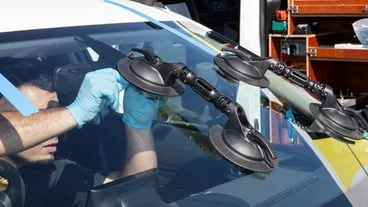
Driving with a damaged windshield can be risky. But how do you know when it’s time for a replacement? What does the process involve? In this article, we will explore various topics related to windshield replacement. We’ll discuss the types of windshield damage, the costs involved in replacement, when to consider repairs instead, the insurance implications, and some do-it-yourself tips.
Understanding windshields, their layers, and the method of installation will also be covered, so you can make informed decisions. Whether you are dealing with a small chip or a larger crack, knowing your options is crucial. Furthermore, we will dive into how weather conditions affect glass performance and durability, ensuring you understand how environmental factors play a role in your vehicle’s safety.
Types of windshield damage
Windshields are designed to withstand everyday wear and tear, but they’re not indestructible. Common types of damage include chips and cracks, each defined by size and location. A small chip is typically less than a quarter while a crack is a fissure that can vary in length. Damage in the driver’s line of sight is particularly serious, as it can hinder your visibility and candidates for immediate replacement.
It’s crucial to assess the damage promptly. A simple chip might be repairable if it’s not in the critical area. On the other hand, a long crack (generally over three inches) usually necessitates replacement. The British Glass Association suggests that any damage extending beyond the original chip or crack, particularly in the driver’s view, can compromise safety and should never be ignored. They stress that even minor damage can spread if not addressed immediately, particularly due to changes in temperature and weather conditions.
The cost of windshield replacement
Costs related to windshield replacement can vary greatly. Factors influencing the price include the make and model of the vehicle, the type of glass used, and whether it’s OEM (Original Equipment Manufacturer) or aftermarket glass. On average, a replacement can run between $200 and $1,000. For example, luxury vehicle windshields typically command higher prices due to specialized structures and sensors.
Furthermore, some shops offer warranty options for their work, which can add to the cost but provide peace of mind in the event of future leaks or defects. It’s wise to request quotes from several providers to understand the market. According to a survey by the National Windshield Repair Association, 70% of drivers reported paying out of pocket for glass replacement, emphasizing the need to prepare financially for this unexpected expense.
When repairs are possible
Not every crack or chip necessitates a full windshield replacement. When considering repair, experts recommend acting quickly. The less time a chip or crack has to develop, the better the chances of successful repair. Auto glass professionals typically use special resin to fill in chips and small cracks, restoring the structural integrity of the windshield while maintaining visibility.
Typically, glass repairs tend to be effective for chips smaller than a quarter or cracks less than three inches long. Target cracks purely on the exterior and not reaching the interior are also prime candidates. Repairing a windshield generally costs between $50 to $100, significantly less than the cost of a full replacement. Always ensure you have a professional inspect the situation, as attempts to repair significant damage can lead to further complications, necessitating a full replacement regardless.
Insurance implications
Insurance can significantly influence how you handle windshield damage. Depending on your policy, the cost of replacement or repairs may be fully covered, leading you to pay little or nothing out of pocket. Comprehensive coverage often includes glass damage. However, it’s important to check the specifics, as some policies might have a deductible. Reporting damage in a timely manner can also prevent further complications down the road.
Generally, if the cost of repair is lower than your deductible, you may choose to pay out of pocket. A survey conducted by the Insurance Information Institute showed that nearly 50% of all glass claims are below the insurance deductible, emphasizing the importance of familiarizing oneself with policy details before acting. It also highlights the potential savings that can be achieved through smart insurance planning.
DIY windshield replacement tips
While replacing a windshield is generally best left to professionals, some may wish to pursue a DIY approach. If you decide to go down this path, first ensure that you have all the necessary tools, including a new windshield, sealant, and a proper cutting tool. The first clear step is to remove the damaged glass carefully to prevent injury and debris contamination.
The installation of a new windshield requires meticulous steps: preparing the frame, applying the sealant, and positioning the new glass correctly. While it’s tempting to jump into this task, a significant safety risk remains. Incorrect installation can lead to leaks or even cause the windshield to collapse in an accident. For this reason, it’s recommended to consult with or watch tutorial videos from reputable sources before attempting the job. Always prioritize safety, and remember that investing in professional help could be more cost-effective and safer in the long run.
Windshield replacement is not just a routine car maintenance task; it’s an integral part of vehicle safety. Understanding the types of damage, the costs associated with replacement, and the insurance implications empowers you to make informed decisions. If wound correctly, often minor issues can save you from expensive repairs down the line. Whether choosing to go the DIY route or seeking professional help, being proactive about windshield care is essential. Consider the importance of timely assessment and repairs, and consult with insurance providers to best navigate your options. Your windshield is more than just a piece of glass; it’s a critical component of your vehicle’s safety.