Discover the benefits of car wrapping, including customization, protection, and cost. Learn about materials, durability, design options, and maintenance for vinyl vehicle wraps.
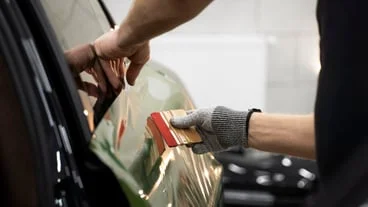
Car wrapping has gained popularity as a method for personalizing vehicles, enhancing aesthetics, and providing protection. If you’re considering wrapping your car, there’s a lot to explore. What materials are available? How long does the wrap last? What are the costs associated? This article will provide insights into the benefits, processes, costs, and care tips for car wrapping. Whether you’re a car enthusiast looking for a unique design or simply want to protect your investment, there’s something here for everyone.
What is car wrapping?
Car wrapping involves applying a specialized vinyl material over the exterior of a vehicle. This method allows for extensive customization options, enabling owners to choose colors, patterns, and finishes that might not be achievable through traditional painting methods. The vinyl wraps come in varied textures like matte, gloss, satin, carbon fiber, and even metallic finishes, allowing for countless design possibilities.
In essence, a vehicle wrap is like a large sticker that is tailored to the specific dimensions of your car. The result is a visually stunning surface without the permanent alterations that paint entails, making it an ideal choice for both personal and commercial vehicles. Many businesses use wraps for advertising, which allows them to convey their brand message while on the move. As a result, car wraps can be a smart marketing investment as well.
Advantages of wrapping your car
One of the primary benefits of wrapping your car is versatility in design. Unlike traditional paint jobs, which can be costly and time-consuming, wraps allow for swift and easy changes. Should you decide you no longer like the color or design, a wrap can be removed without damaging the vehicle’s original paint, returning it to its factory finish.
Moreover, a good quality wrap can protect the underlying paint from scratches, UV rays, and other environmental damage. This protective layer can help maintain your car’s resale value, as the original finish remains in great condition. Additionally, some wraps even offer a degree of waterproofing, safeguarding your car’s body in harsh weather conditions.
Another advantage is cost-effectiveness. While a high-quality paint job may run upwards of several thousand dollars, a vehicle wrap can often be completed at a fraction of that price. Depending on the complexity of the design and the size of the vehicle, you might find quality wraps in the range of $2,500 to $5,000. This makes car wrapping an appealing option for those looking to enhance their vehicle without breaking the bank.
The car wrapping process
The process of wrapping a car usually begins with a thorough cleaning and preparation of the vehicle surface. It’s essential to remove any dirt, debris, or wax to ensure a smooth application. After preparation, the vinyl is carefully measured and cut to fit the specific vehicle model. This cutting is often done using advanced technology or software to ensure precision.
The actual installation involves applying the vinyl material carefully to avoid air bubbles and wrinkles. Professional installers use specialized tools and techniques to ensure that the wrap adheres correctly to all surfaces, including curves and edges. The entire process can take several hours to a couple of days, depending on the complexity of the wrap and the skill of the installer. For those considering a DIY approach, it’s worth noting that while it’s possible to apply a wrap yourself, achieving professional-level results can be quite challenging without the right tools and experience.
Longevity and care for car wraps
The longevity of a car wrap largely depends on the quality of the materials used and how well the wrap is maintained. High-quality wraps can last anywhere from three to five years, sometimes even longer with proper care. Factors such as exposure to sunlight, weather conditions, and regular maintenance can influence this lifespan. For example, prolonged exposure to direct sunlight can lead to fading, and washing the car with abrasive materials can damage the wrap.
To ensure the longest life for your car wrap, consider a few care tips. Hand washing with non-abrasive products is advisable to avoid scratching the vinyl. Additionally, using a soft cloth and avoiding high-pressure washing systems will help maintain its appearance. Parking in shaded areas, when possible, can also minimize potential fading due to UV exposure. Regular inspections for signs of wear or damage can also aid in prompt repairs, ensuring your vehicle looks its best for the duration of the wrap.
Cost considerations and considerations before wrapping
Deciding to wrap your vehicle involves several costs beyond the price of the vinyl itself. Initial costs can range from $2,000 to $5,000, depending on the size of the vehicle and the complexity of the design. However, additional expenses can arise from graphics design, preparation, and installation. If you opt for a custom design created by a professional, that will add to the base cost.
Beyond monetary factors, consider how long you plan to keep the vehicle. If it’s a long-term vehicle, a wrap might not be necessary, while someone looking for a temporary change may benefit from the non-permanent nature of wraps. Additionally, it’s crucial to inquire about warranties. Many reputable wrap installers offer warranties that cover defects or premature fading, giving you additional peace of mind during your investment. It’s also beneficial to review installer portfolios and customer testimonials to ensure you’re selecting a professional with proven experience in car wrapping.
In summary, car wrapping presents a unique blend of style, protection, and flexibility for vehicle ownership. With the ability to customize colors and designs far beyond the standard options, it allows car owners to express their personality while safeguarding the vehicle’s original finish. The advantages of cost-effectiveness, and adaptability make it an attractive option for many, be it for creative design or advertising purposes. Remember to weigh costs, potential care issues, and installer reliability before proceeding with a wrap, and you’ll be well on your way to transforming your ride!