Discover expert tips for home renovation interior design, covering 2023 trends, budgeting strategies, space planning, and sustainable materials to transform your living spaces.
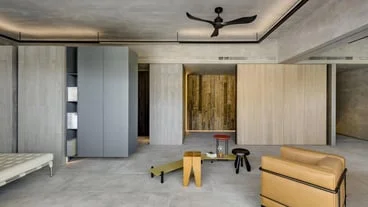
Revamping your living space can feel daunting. But, with the right guidance, it can be an exciting journey of self-expression and innovation. This article covers several crucial aspects to consider, from understanding current design trends to sorting out a budget. We’ll also delve into space planning strategies, choosing the right materials, integrating sustainability, and how to work with professionals effectively. Whether you’re completely redesigning a room or just making a few adjustments, you’ll gain valuable insights to elevate your interior space.
Understanding design trends
Staying aware of current design trends can significantly impact your renovation project. In 2023, minimalism paired with bold colors is gaining traction, encouraging homeowners to embrace simplicity while making a statement. Soft earth tones are particularly popular, creating a tranquil atmosphere.
Additionally, biophilic design, features that connect indoor spaces to nature, is increasingly prevalent. This can manifest in the use of natural materials, such as wood and stone, or incorporating living plants into your home. Not only does this improve aesthetics, but it also promotes well-being.
Another trend is the flexibility of spaces. Open floor plans remain beloved, but they’re evolving. Homeowners now favor multi-functional rooms that adapt to different needs—think a home office that doubles as a guest room. Understanding these trends can help you make informed decisions that reflect your personal style while also enhancing the value of your home.
Creating a effective budget
Budgeting for a renovation is one of the most critical steps to ensure success. Begin by evaluating your financial situation. Determine how much you can comfortably spend without stretching your finances too thin. It’s wise to set aside an additional 10-20% for unforeseen costs, which often arise during renovations.
Next, prioritize your needs versus wants. If your main goal is to enhance functionality, focus on essential renovations first—such as updating a kitchen or bathroom. Luxurious features, like fine finishes or high-end appliances, can be added later if your budget allows.
Research is crucial here; costs can vary greatly depending on materials, labor, and location. For instance, using laminate as opposed to hardwood or opting for stock cabinetry instead of custom designs can help reduce expenses while still achieving a quality look. Finally, consider seeking three quotes from contractors. This procedure not only gives you a better grasp of market pricing but helps you make a more informed choice about whom to hire.
Maximizing space with practical layouts
A successful renovation blends aesthetics and functionality, often beginning with a well-thought-out layout. To maximize space, consider your lifestyle—who uses the space, and how? For example, if you entertain frequently, an open kitchen and living area might be ideal.
Using visual tools, such as mood boards or design software, can help visualize various layouts. Popular techniques include zone design, where distinct areas are defined, enhancing both flow and organization. Remember, scale is essential. Ensuring your furniture and fixtures complement each other helps create continuity and a breathable living environment.
Moreover, don’t hesitate to think outside the box; even vertical space can be utilized effectively. Incorporating shelves or high cabinets not only keeps the clutter at bay but also adds an element of design. Your layout should not only cater to aesthetics but also improve daily functionality—making sure the space works intuitively for its users.
Choosing the right materials
Material selection plays a pivotal role in both design and durability. Start with the foundational elements— floors, walls, and ceilings. Porcelain tiles are known for durability, while hardwood provides warmth. Balancing aesthetics and care needs is vital. For walls, paint offers a budget-friendly way to refresh spaces, while wallpaper can add character but requires more upkeep.
Sustainable materials are gaining popularity as well. Options like bamboo flooring, recycled glass countertops, and low-VOC paints appeal to the environmentally conscious. Not only does this approach reduce your carbon footprint, but it can also enhance indoor air quality.
Additionally, consider the maintenance costs and long-term investment of your choices. While it might be tempting to select trendy items, timeless materials ensure longevity and value. Keeping these factors in mind while selecting materials can influence how you enjoy and interact with your renovated space for years to come.
Working with professionals
While DIY renovations can be rewarding, leveraging professional expertise can save time, prevent costly mistakes, and yield better results. Determine your comfort level with handling the renovation. It’s perfectly acceptable to hire professionals for elements like plumbing, electrical work, or intricate design tasks.
When selecting professionals, look for individuals or firms with good reviews or a strong portfolio. Meeting multiple candidates will help you gauge their styles and compatibility. Discuss your vision, budget, and timelines upfront to see if they align with your expectations.
Another possibility is enlisting the help of a designer or architect early in the process. They can provide invaluable insights on maximizing space, budget allocation, and aesthetic choices. Furthermore, their access to materials and industry contacts can save serious time. Ultimately, the goal is to foster a collaborative partnership, ensuring your vision is realized effectively within budget and on time.
Transforming your space through renovation interior design is not just about aesthetics— it’s also about functionality and personality. By staying aware of design trends, creating a solid budget, maximizing space effectively, thoughtfully choosing materials, and collaborating with professionals, you can create a home that is both beautiful and uniquely yours. Embrace the renovation journey, and remember, each step is a chance to bring your creative vision to life.