Learn how to create professional 3D drawings with step-by-step methods, tools like Tinkercad & CAD, and expert services. Perfect for artists, designers, or engineers. Start bringing ideas to life!
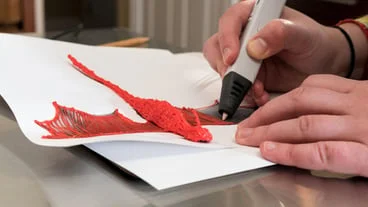
3D drawings are a bridge between imagination and reality. They serve various purposes, from art and design to engineering and manufacturing. In this article, we’ll explore how you can have a 3D drawing made, highlighting the methods, tools, and platforms available. We will answer questions like: What is 3D drawing? What tools can you use? How do you find the right professionals or services? We’ll also provide examples of where you can apply your 3D designs in real life.
Understanding 3D drawings
3D drawings are illustrations that depict three-dimensional objects on a two-dimensional surface. Unlike traditional drawings, they add depth, allowing viewers to see multiple sides of a subject. This makes them invaluable in fields like architecture, product design, and animation.
Three-dimensional (3D) concepts can be represented through various formats, including sketches, digital models, and CAD (Computer-Aided Design). As technology evolves, the use of 3D drawing in visual storytelling and design becomes increasingly common, appealing to artists, engineers, and marketers alike.
In recent years, 3D printing has revolutionized the way we approach drawing and design. Once drawings are digitized, they can be turned into physical objects, offering a tangible representation of your vision. Learning about the conversion process can be beneficial for anyone looking to bring their ideas to life.
Tools for creating 3D drawings
A variety of tools are available to help you create 3D drawings, regardless of your skill level. For beginners, software like Tinkercad simplifies the process, making it user-friendly with drag-and-drop features. It’s ideal for making simple designs quickly.
As you grow more comfortable, you might explore more sophisticated tools like Blender, which is popular among artists for its extensive features and flexibility. It offers advanced modeling capabilities, allowing for detailed and complex designs. Meanwhile, programs like AutoCAD cater to professional architects and engineers needing precise drawings.
For those who prefer traditional techniques, sculpting and physical models remain viable options. Clay, wood, or even paper can be manipulated into three-dimensional forms, offering artists a hands-on approach. Moreover, these tactile methods can sometimes facilitate a better understanding of volume and depth before transitioning to digital tools.
Finding professionals to create 3D drawings
If generating a 3D drawing feels daunting or if you seek a higher level of expertise, finding a professional is a great option. Freelance platforms like Upwork or Fiverr connect clients with skilled designers who specialize in 3D art.
When hiring a professional, it’s essential to review their portfolio to gauge their style and capabilities. Clear communication about your vision is crucial. Providing reference images or sketches can go a long way in ensuring your designer understands what you want.
Additionally, local art schools or universities may have students or recent graduates seeking freelance work. This can often be a cost-effective way to get high-quality designs while helping emerging artists build their portfolios.
Applications of 3D drawings
The uses for 3D drawings are vast and varied. In architecture, they help visualize buildings and landscapes before construction. This technology ensures that clients can make informed decisions and changes early in the design phase.
In product development, 3D drawings play a critical role in prototyping. Designers can create a virtual model of a product before it’s manufactured, allowing for testing and refinement. This reduces costs and improves the odds of producing a successful final product.
In the creative sector, 3D drawings find their way into anime, gaming, and advertising, allowing for innovative storytelling techniques. Whether it’s designing characters, environments, or promotional materials, 3D skills can elevate the quality and effectiveness of projects.
Tips for effective 3D drawing
To create effective 3D drawings, it’s essential to understand perspective and form. Practicing sketching 3D shapes can help develop your skills. Start with basic objects like cubes, spheres, and cylinders before moving on to more complex forms.
Maintaining a keen eye for detail will enhance your work significantly. Small adjustments in shadows, highlights, and textures create lifelike representations. Utilize reference photos to understand how light interacts with surfaces.
Lastly, getting feedback from peers or joining online communities can offer constructive insights. Platforms like Reddit or dedicated forums can also provide inspiration and advice as you refine your style and techniques.
As you delve into the world of 3D drawings, remember the rich possibilities that await. Whether you’re looking to develop personal projects, enhance professional work, or simply explore your creativity, 3D drawing opens up a realm of opportunities. The tools available today, paired with a solid understanding of techniques and applications, allow you to bring your visions into tangible existence. Embrace the journey of learning and creation while tapping into the sizeable community of artists and professionals skilled in this captivating craft.