Discover the evolution, styles, and tools of digital art creations. Explore how technology transforms creativity, impacts society, and unlocks future artistic possibilities. Start your journey today!
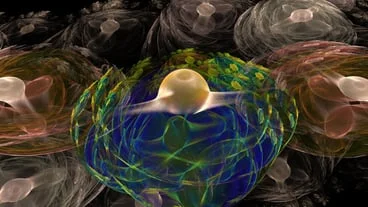
In today’s fast-paced world, creativity often intertwines with technology, leading to the rise of digital art. This arena has become a dynamic space where traditional artistic techniques meet digital innovation. From digital painting and 3D modeling to generative artworks, artists explore new possibilities.
This article delves into various aspects of digital art: its history, different styles and techniques, tools and software used, its impact on society, and how it continues to evolve. Readers will gain insights into the reasons behind the digital art movement’s significance, its future prospects, and where they can start their own creative journey in this vibrant domain.
The evolution of digital art
Digital art didn’t emerge overnight. It steadily evolved alongside technology. The journey began in the 1960s when artists like Frieder Nake and Harold Cohen used computers to create art, albeit primitive by today’s standards. The introduction of personal computers in the 1980s democratized art creation, allowing more people to experiment with digital mediums.
As the Internet became ubiquitous in the following decades, digital art gained momentum. It enabled artists to share their work globally, fostering a vibrant online community. The evolution of software like Adobe Photoshop transformed digital painting and photo editing, while platforms like DeviantArt and ArtStation provided popular venues for artists to showcase their skills. This interconnectedness has shifted not only how art is created but also who gets to be an artist.
Popular styles in digital art
Digital art encompasses a variety of styles and genres. Among the most popular are digital painting, vector art, 3D modeling, and pixel art. Each style has its unique appeal and required skills.
Digital painting mimics traditional painting techniques using software like Corel Painter or Adobe Fresco. It offers artists the flexibility to experiment with colors and textures without the mess of physical paint. Vector art, created using programs like Adobe Illustrator, is known for its clean lines and scalability, making it ideal for graphic design and branding projects.
3D modeling has gained popularity in fields like gaming and film, allowing artists to create lifelike characters and environments. Then there’s pixel art, which evokes nostalgia for retro video games. Artists manipulate tiny squares, or pixels, to create images, often drawing heavily from the aesthetics of early computer graphics. Each of these styles showcases the diversity of digital art and its potential for creativity.
Tools and software for digital artists
Choosing the right tools is critical for digital artists. An array of software options exists, catering to different styles and experiences. Popular programs like Adobe Photoshop remain at the top of the list for digital painters and illustrators due to their comprehensive features and versatility.
Procreate has gained popularity among iPad users for its user-friendly interface, offering robust drawing and painting capabilities. Similarly, Canva has emerged as a go-to tool for graphic design, allowing creators to combine text and imagery seamlessly. For 3D modeling, software like Blender has democratized access, providing powerful features for free, making it accessible to aspiring artists.
Additionally, hardware plays a significant role. Graphics tablets, such as those offered by Wacom or Huion, allow for more natural drawing experiences compared to using a mouse or touchpad. Devices like the iPad Pro, paired with the Apple Pencil, have revolutionized on-the-go creativity for many artists.
Impact of digital art on society
The impact of digital art goes beyond aesthetics. It has transformed how art is produced, distributed, and consumed. Today, artists can easily reach wider audiences through social media platforms like Instagram and TikTok. These platforms have created trends, allowing art styles to evolve rapidly as artists share ideas and techniques.
Digital art has also challenged traditional economic structures in the art world. The rise of NFTs (Non-Fungible Tokens) has created new markets for digital art, enabling artists to sell their works directly to collectors without intermediaries. This shift has democratized art ownership, enabling artists from diverse backgrounds to find financial success.
Moreover, digital art fosters inclusivity. Many online communities celebrate diverse perspectives, allowing artists worldwide to share their viewpoints and cultural narratives. As a result, digital art serves as a platform for social change, where artists challenge norms and address issues like climate change, identity, and inequality.
The future of digital art
As technology advances, so too does the realm of digital art. Emerging technologies like virtual reality (VR), augmented reality (AR), and artificial intelligence (AI) are redefining the boundaries of creativity. Artists are exploring immersive experiences through VR, allowing audiences to step into their artworks, creating a deeper emotional connection.
AI has also made waves in the digital art world. Tools like DALL-E use machine learning to generate images based on text descriptions, blurring the lines between artist and algorithm. While some fear that AI could replace human creativity, many artists embrace it, using AI assistance as a tool to enhance their work rather than replace it.
Furthermore, the way people experience art continues to evolve. Virtual galleries and exhibitions are becoming commonplace, allowing viewers from around the globe to appreciate art without geographical barriers. The future of digital art promises an exciting blend of creativity, technology, and community, expanding horizons for both creators and audiences.
Digital art represents a vibrant and ever-evolving intersection of creativity and technology. It has grown from humble beginnings in the 1960s to a dynamic field that now includes various styles and techniques. Today’s artists wield powerful tools and platforms, allowing their work to reach global audiences as never before. As digital art continues to reshape our understanding of creation, the future is bright, offering endless opportunities for innovation and expression. Whether you are an aspiring digital artist or an art enthusiast, the world of digital art holds something for everyone.