Discover the ultimate guide to small utility trailers: explore versatile uses, buying tips, maintenance, and safety for homeowners, businesses, and outdoor enthusiasts.
Small utility trailers are often overlooked as inconsequential accessories, but they play a crucial role in countless scenarios. For homeowners, small business owners, and outdoor enthusiasts alike, these compact haulers offer numerous benefits. What makes them so practical? Who can truly benefit from using one? And what should you consider if you’re thinking of buying one?
In the following sections, we’ll delve into the myriad uses of small utility trailers, various types available on the market, essential features to consider when purchasing, practical tips for maintenance, safety guidelines, and how to choose the right size. Whether you’re a weekend warrior or simply need to transport items locally, this guide will equip you with the insights you need to make informed decisions.
Understanding the versatility of small utility trailers
Small utility trailers serve a wide variety of functions, making them a staple for many. You can use them for everything from landscaping and home improvement projects to recreational activities like camping or biking. For homeowners, they can carry bulky items like lawn equipment, while small business owners might find them handy for transporting tools or inventory.
Outdoor enthusiasts also love these compact haulers. If you’re planning a trip to a national park, a small utility trailer can carry your camping gear, bicycles, or even small motorcycles. Their portability allows for easy transport without the hassle of loading everything into a vehicle. This versatility makes them invaluable for anyone who frequently moves goods or equipment.
For example, if you’re a gardener, a small utility trailer can easily transport soil, plants, or tools across your yard or to a different location. A small utility trailer is your best friend if you’re a contractor needing to haul materials to a client’s site. The potential uses are endless, and understanding your needs can help you decide whether one is right for you.
Types of small utility trailers
Navigating the world of small utility trailers means understanding the different types available. These trailers vary in design, size, and functionality. The most common types include flatbed trailers, enclosed trailers, and folding trailers. Each serves different purposes based on user needs and preferences.
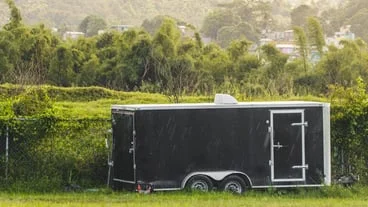
Flatbed trailers are open and generally offer the most cargo space. They are perfect for transporting larger items and make loading and unloading straightforward. However, because there are no sides, securing your cargo is crucial—especially for heavy or loose items. Enclosed trailers provide added protection for your load, which can be ideal for transporting valuable or sensitive equipment. They also double as storage space when not in use. Lastly, folding trailers offer the advantage of compact storage, as they can be easily folded when not in use, making them ideal for homeowners with limited space.
Understanding these different types will help you narrow down what meets your requirements best. The diversity in designs means you can find a trailer that suits whatever task you need to tackle.
Key features to consider when purchasing
When considering buying a small utility trailer, several critical features can make a difference. First, assess the material of the trailer. Steel models offer durability and strength but may be heavier, while aluminum trailers are lighter and more resistant to corrosion. Your choice will affect towing capacity and how easy it is to handle the trailer. Weight capacity is also vital; calculate the maximum amount you plan to haul to ensure the trailer can manage your needs.
Next, check for features like brakes and lights. Safety should always be a priority, especially if you’ll be towing in high-traffic areas. Having reliable brakes can help manage heavier loads effectively. Also, consider the trailer’s tie-down options; a good trailer should have multiple points to secure items safely. Lastly, think about the coupler type. Various couplers work with different vehicle hitches, so you’ll want to make sure your new trailer is compatible with your existing setup.
Being mindful of these features can enhance your user experience, making journeys safer and more efficient.
Maintenance tips for small utility trailers
Maintaining your small utility trailer ensures longevity and safe operation. Regular maintenance should include checking the tire pressure and tread depth. Tires wear out over time, and maintaining proper inflation can help prevent blowouts while towing. Always inspect the lights to ensure they’re functioning properly. A broken tail light can lead to dangerous situations during night travel.
Cleaning your trailer regularly can also stave off corrosion and rust. Remove debris after each use, and consider painting or applying a protective coating if you’re in a region prone to moisture. Additionally, check the electrical systems to ensure all lights and brakes function as intended, particularly before long trips.
Lastly, more significant maintenance tasks should include greasing the wheel bearings periodically. The frequency of this depends on how often you use the trailer but doing this can prevent unnecessary wear and tear, prolonging its lifespan significantly. Following these maintenance practices not only keeps your trailer in good working order but also enhances your tow experience.
Safety guidelines for using small utility trailers
Safety is paramount when using any utility trailer. One of the first things to understand is proper loading techniques. Avoid overloading, as excess weight can affect your vehicle’s handling and braking. Distributing weight evenly across the trailer will also help maintain balance while towing.
When towing a trailer, always make sure that your vehicle’s towing capacity matches the trailer load. This not only ensures engine performance but also keeps driving safe and manageable. Furthermore, check brake lights, turn signals, and towing connections before departure. Pre-trip checks can prevent accidents.
It’s also advised to secure your load adequately with straps or tarps. Loose items can easily shift during transport, causing potential hazards on the road. Always use the safety chains provided and drive cautiously, particularly when turning or stopping. Also, be aware of the added length of your vehicle when maneuvering. Following these safety guidelines helps ensure that both you and other road users remain safe during your travels.
Small utility trailers provide an impressive range of benefits. From their versatility and variety of types to the essential features and maintenance tips needed for long-term use, understanding these trailers can open up a world of possibilities. Whether moving items for your home improvement projects or embarking on a weekend adventure, small utility trailers make these tasks easier and more efficient. By keeping safety in mind and following best maintenance practices, you can enjoy your trailer for many years to come. As you consider your options and needs, remember that choosing the right small utility trailer is more than just a purchase—it’s an investment in convenience.