Discover effective strategies for hair regrowth, including dietary tips, natural remedies, and medical treatments. Learn causes of hair loss and actionable solutions to restore your hair's health.
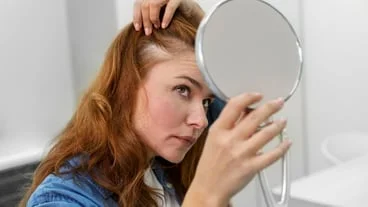
Hair loss is a common concern that affects people of all ages and backgrounds. The reasons for hair thinning or loss can vary widely, ranging from genetics to stress and nutrition. Many are left wondering what steps they can take to jumpstart their hair regrowth journey. What options are available? Can lifestyle changes truly make an impact? Are there effective over-the-counter solutions? In this article, we’ll explore a variety of approaches that can support hair regrowth, including dietary changes, natural remedies, medical treatments, and daily practices. By understanding the causes and solutions, individuals can find the best path forward for rejuvenating their hair.
Understanding the Causes of Hair Loss
Before embarking on a regrowth journey, it’s crucial to understand why hair loss occurs. Common causes include genetics, hormonal changes, certain medications, nutritional deficiencies, and even stress. For instance, androgenetic alopecia, also known as male or female pattern baldness, is hereditary and typically occurs gradually. Hormonal changes from factors such as pregnancy, menopause, or thyroid issues can also significantly affect hair growth. Meanwhile, nutritional shortcomings, particularly in proteins, iron, and vitamins, can contribute to thinning hair. Moreover, everyday stress can lead to temporary hair loss, a condition known as telogen effluvium. Recognizing the specific cause of hair loss can help tailor a more effective regrowth strategy. For instance, consulting with a healthcare professional may reveal underlying health issues that, when addressed, enhance hair growth.
Nourishing Your Hair from Within
Diet plays a significant role in the health of your hair. Consuming a well-balanced diet rich in vitamins and minerals can promote hair regrowth. Foods high in protein, such as lean meats, fish, eggs, beans, and nuts, are essential since hair is primarily made of protein. Iron-rich foods like spinach and red meat can help ensure proper blood circulation, which nourishes hair follicles. Beneficial vitamins include Vitamin D, which can support hair follicle cycling, and B vitamins, particularly biotin, which is often lauded for its hair growth benefits. Incorporating Omega-3 fatty acids found in fish like salmon or flaxseeds can also improve scalp health and overall hair thickness. Additionally, staying hydrated is crucial — dehydration can weaken hair strands and reduce growth potential. A sample meal plan that emphasizes these nutrients could be helpful in kick-starting your hair regrowth.
Exploring Natural Remedies and Treatments
Many people seek natural treatments to promote hair regrowth. Essential oils like rosemary and peppermint have been introduced in studies as potential stimulators for hair growth when applied topically. These oils can boost circulation to the scalp, which may encourage hair follicles’ activity. Another popular remedy is aloe vera, known for its nourishing and soothing properties, which can help maintain a healthy scalp environment. Applying aloe vera gel directly to the scalp might also reduce dandruff, a common contributor to hair loss. Scalp massages are an often-overlooked method too; they enhance blood flow to the scalp and can aid the distribution of natural oils, thus promoting a healthier hair growth environment. While these natural remedies can be beneficial, they often require consistent application over several weeks to see significant results.
Medical Treatments and Over-the-Counter Solutions
For those looking for more immediate results, various medical treatments and over-the-counter products are available. Minoxidil, commonly known as Rogaine, is an FDA-approved topical treatment that’s suitable for both men and women. Users often see results within four to six months, and it’s applied conveniently to the scalp twice a day. Another effective option is finasteride, a prescription medication that targets the hormonal factors responsible for hair loss. It’s approved for men and has proven effective in promoting regrowth. Consulting a dermatologist can help guide an individual to the right treatment based on their unique situation. Additionally, laser therapy, either via in-home devices or professional treatments, is gaining popularity as a non-invasive option that may stimulate hair growth through low-level laser lights. These treatments often come with a higher cost and require a longer commitment but can yield substantial results for some people.
Lifestyle Changes to Support Hair Health
Implementing lifestyle changes can significantly enhance one’s hair health. Stress management is vital since chronic stress can lead to hair loss. Mindfulness practices like yoga and meditation or simple fitness routines can help manage stress levels effectively. Similarly, ensuring adequate sleep is important. Quality sleep has a direct impact on overall health and can influence hair growth positively. Additionally, avoiding harsh hair treatments and minimizing the use of heat styling tools can also reduce damage to the hair. Regular trims can prevent split ends and breakage, promoting a healthier appearance. Considering a gentle shampoo and conditioner that supports hair health, as well as avoiding tight hairstyles that tug at the roots, can also contribute to sustained hair growth. Engaging in a holistic approach, which encompasses diet, stress management, and proper hair care practices, can lead to noticeable improvements over time.
Starting your hair regrowth journey involves understanding the causes of hair loss and taking action through dietary, lifestyle, and treatment options. By nurturing your hair from within with balanced nutrition, exploring natural remedies, considering medical treatments, and making lifestyle changes, you can create an environment conducive to hair regrowth. Remember that patience and consistency are key, as visible results may take time. With the combination of these approaches, many individuals have succeeded in revitalizing their hair and boosting their confidence. Don’t hesitate to embrace this journey towards more vibrant and healthy hair.