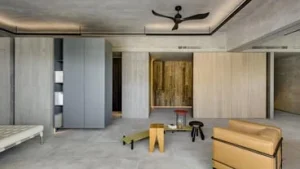
Discover how house design impacts mood and productivity. Explore architectural styles, sustainable practices, and personalized tips to create a harmonious living space that reflects your lifestyle.
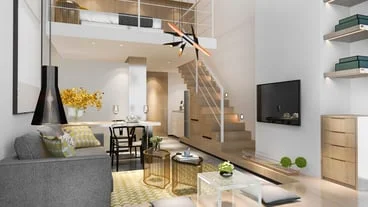
House design is more than just placing walls and roofs; it’s about creating a space that fosters comfort, functionality, and aesthetic appeal. Each individual has distinct needs, preferences, and lifestyles that directly influence the design of their living space. Therefore, the journey of house design encompasses various aspects, including architectural styles, the impact of space on emotions, sustainable practices, and the integration of technology. With house design trends constantly evolving, it is crucial to explore how these different elements can blend to create a harmonious living environment. This article delves into the various facets of house design, addressing questions about style, functionality, and the importance of personal touch in creating a home.
Understanding architectural styles
Architectural style sets the tone for a home and determines how it stands out in a neighborhood. Key styles include Colonial, Contemporary, Craftsman, Mediterranean, and Modern. Each style has its distinct characteristics and emotional evocations.
Colonial homes, for instance, often feature symmetrical facades, evenly spaced windows, and gabled roofs, offering a sense of tradition and stability. In contrast, Contemporary styles lean toward open floor plans, large windows, and a variety of materials, reflecting a modern and casual lifestyle.
The Craftsman style brings warmth and character with detailed woodwork, exposed beams, and built-in furniture, creating an inviting atmosphere. On the other hand, Mediterranean homes evoke a vacation-like experience with stucco exteriors, terracotta roofs, and wrought-iron accents, linking occupants to a breezy, sun-filled lifestyle. By understanding these styles, individuals can choose one that resonates with their personal identity.
Balancing functionality and aesthetics
Functionality and aesthetics are often seen as opposing forces in house design. However, achieving a balance between the two is essential for successful living spaces.
Functional design focuses on how spaces are used. For example, an open-concept layout often enhances social interaction and flow, making it easier for families to connect. It’s critical to consider the placement of rooms – the kitchen should be conveniently located near dining spaces, while bedrooms should offer privacy away from common areas. Meanwhile, aesthetics concern the visual appeal of these spaces. This is where color schemes, furniture choices, and decor come into play.
Effective house design embraces both elements, creating spaces that don’t just look good but also work for the occupants’ daily routines. Homeowners can achieve this balance with smart planning: by selecting furniture that serves a purpose while also reflecting their personal style. Numerous design solutions, from multifunctional furniture to strategically placed lighting, can significantly enhance the look and utility of a space.
The emotional impact of design
House design influences not only how we live but also how we feel. Numerous studies indicate that design elements affect mood, productivity, and overall well-being. Natural light, for instance, can significantly enhance mental health and productivity.
Large windows that allow for ample sunlight make a space feel open and airy, which can uplift spirits and promote a positive atmosphere. Conversely, darker spaces may induce feelings of sadness or lethargy. Color choices also play a vital role in emotional responses. Warm tones like soft yellows and oranges can create an inviting atmosphere, while cooler colors like blues and greens can evoke relaxation and calmness.
Moreover, the arrangement of spaces can impact social interactions. A well-designed living area encourages gatherings, while well-placed private spaces allow for moments of solitude. Thoughtfully designing physical spaces to enhance emotional well-being contributes significantly to the overall experience of living in a home.
Sustainability in house design
Sustainability in house design has become a pressing concern as the world faces the consequences of climate change. In response, architects and designers are increasingly incorporating sustainable elements that minimize environmental impact and reduce energy consumption. Energy-efficient appliances, solar panels, green roofing, and eco-friendly materials are just a few ways to achieve sustainable house design.
Choosing sustainable materials like bamboo, recycled steel, or reclaimed wood can significantly reduce the carbon footprint of a new house. Additionally, passive solar design, which relates to the orientation and layout of the home, can maximize natural heating and cooling, further reducing reliance on artificial heating and cooling systems.
Furthermore, sustainable design practices can lead to healthier living environments. Improved air quality, reduced toxic materials, and energy-efficient solutions contribute to both occupant health and environmental responsibility. As interest grows in sustainable living, future designs will likely prioritize renewable resources and climate resilience.
Incorporating smart technology
As technology advances, smart home solutions are becoming essential in modern house design. Home automation can enhance convenience, security, and energy efficiency. Smart thermostats, lighting, security systems, and even voice-controlled appliances are transforming traditional homes into responsive environments.
For instance, smart thermostats learn your household’s routines and adjust heating or cooling accordingly, saving energy while keeping you comfortable. Smart lighting can regulate illumination based on the time of day or occupancy, further enhancing energy efficiency. Additionally, home security systems have become incredibly sophisticated, allowing homeowners to monitor their properties remotely, giving peace of mind.
Incorporating smart technology in house design addresses contemporary lifestyle demands while enhancing the overall living experience. As technology continues to evolve, integrating it thoughtfully into design will become even more vital, contributing to a lifestyle that is connected, efficient, and user-friendly.
House design is an extensive and fascinating topic that encompasses a wide range of elements, from architectural styles to emotional considerations, sustainability practices, and technological innovations. By understanding various architectural styles, balancing functionality with aesthetics, considering emotional impacts, incorporating sustainable practices, and embracing smart technology, homeowners can craft personalized spaces that reflect their desires and lifestyles. Whether looking to build from the ground up or renovate an existing home, the possibilities in house design are virtually limitless, enabling everyone to create a space they truly love.