Discover the evolution of digital art, essential tools like Photoshop and Corel Painter, and thriving communities on Instagram and DeviantArt. Explore how technology transforms artistic expression.
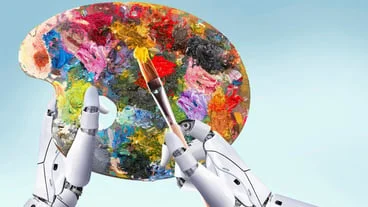
In today’s fast-paced world, digital art has emerged as a dynamic form of expression, revolutionizing how we create, share, and experience art. This medium has not only expanded the boundaries of traditional art but has also given rise to communities that thrive on collaboration and innovation. What does the world of digital art entail? How has technology transformed the artistic landscape? What platforms and tools are shaping this exciting field? We will answer these questions and more, providing insights into the vibrant universe of digital art creations.
The evolution of digital art
Digital art has its roots in the advent of computers and software in the late 20th century. Early pioneers experimented with software that allowed for basic image manipulation. Graphics programs such as Adobe Photoshop and Corel Painter became accessible in the ’90s, giving artists new tools to explore.
By the 21st century, digital art flourished, with an explosion of software options and improved technology. High-resolution monitors, drawing tablets, and mobile applications made it easier than ever for artists to create stunning visuals. The introduction of the Internet allowed for quick sharing and collaboration, further enhancing the reach of digital artists.
Moreover, the emergence of social media platforms like Instagram, DeviantArt, and Behance created communities where artists could showcase their work, gather feedback, and connect with others. The digital art scene has evolved into a global network of creativity and innovation.
Tools and software for digital art
The toolbox for digital artists is vast, ranging from industry-standard software to user-friendly applications suitable for beginners. Adobe Creative Cloud remains a top choice for many professionals, offering powerful programs like Photoshop, Illustrator, and InDesign. These tools provide artists the ability to create everything from illustrations to complex graphics and animations.
For newcomers, applications like Procreate and Krita offer intuitive interfaces and a range of features tailored for ease of use. Tablets such as the Wacom or Apple iPad Pro are popular choices for creating digital artwork, allowing for precision and flexibility. With many of these tools, users can transform their ideas into vivid digital creations without needing extensive art training.
Additionally, many emerging artists are turning to browser-based tools, such as Canva, that provide templates and easy drag-and-drop functionality, making digital art accessible for everyone.
The impact of digital art on traditional art forms
Digital art has begun to blur the lines between traditional and contemporary art forms. Artists use digital techniques alongside traditional mediums, resulting in mixed-media pieces that are a fusion of both worlds. Gallery owners and curators are increasingly open to displaying digital art alongside paintings and sculptures, recognizing its artistic value.
Moreover, the rise of digital art has sparked debates about the definition of art itself. Some critics argue that digital creations lack the tangibility and authenticity of traditional artworks. However, supporters argue that digital art presents new ways of perceiving and interacting with art, pushing creative boundaries.
Exhibitions featuring digital installations have garnered attention in major art institutions worldwide, showcasing how these artworks engage the audience through interactivity and immersive experiences. This evolution signifies a broader acceptance of digital art as a legitimate and essential element of the contemporary art world.
The rise of NFTs and the future of digital art
Non-fungible tokens (NFTs) have become a game-changer for digital artists. NFTs allow artists to tokenize their unique digital creations, giving them ownership and the ability to sell their work in digital marketplaces. This has transformed the monetization of digital art, enabling artists to earn income directly from sales.
The explosive popularity of NFTs has led to record-breaking auctions, with digital artists selling their work for millions of dollars. Notably, platforms like OpenSea and Rarible have become hubs for creators to showcase their art and connect with collectors. However, the NFT market has also faced scrutiny over environmental concerns and questions about its long-term sustainability.
Despite these challenges, the NFT trend shows no signs of slowing down. As technology advances and the public becomes more educated about digital ownership, artists are likely to explore even greater opportunities within this ecosystem.
Building a community as a digital artist
Digital artists benefit significantly from online communities that foster collaboration, critique, and support. Platforms like Discord, Reddit, and various social media sites have dedicated spaces where artists share their work, seek advice, and participate in challenges.
These communities provide a sense of belonging and create networks that can lead to professional opportunities and partnerships. Participating in art challenges or contests can also serve as a motivational tool, pushing artists to engage with their craft more rigorously.
For many artists, sharing can be a vulnerable journey. Constructive criticism from peers helps to refine their skills and develop their unique style. Building genuine relationships within these communities can lead to mentorship opportunities and collaborations that inspire creativity.
Digital art has opened new avenues for creativity, allowing artists to explore uncharted territories in the artistic realm. From the evolution of styles and techniques to the emergence of NFTs and supportive online communities, digital art continues to redefine the way we create and appreciate art. As technology evolves, so too will the art world, inviting artists and art enthusiasts to embrace this exciting journey together.